


What Is the Most Common Cause of MGD?
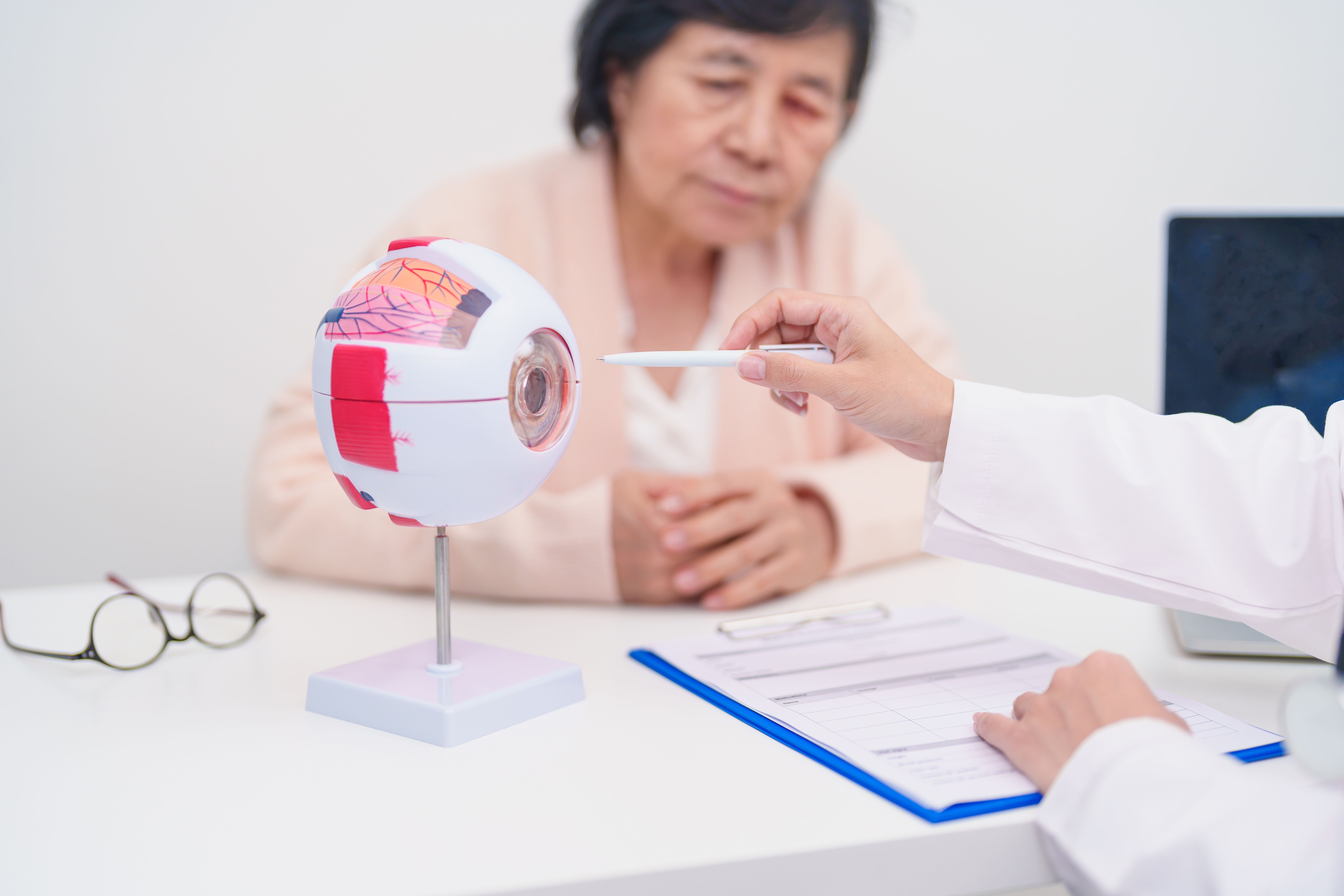
If your eyes often feel dry, irritated, gritty, or watery, you may be dealing with Meibomian Gland Dysfunction (MGD) - one of the most common and underdiagnosed causes of chronic dry eye disease. Understanding what causes MGD, how it relates to dry eye, and the most effective treatment options can help you find lasting relief.
What Is Meibomian Gland Dysfunction (MGD)?
The meibomian glands are tiny oil-producing glands located along the edges of your eyelids. Their job is to secrete meibum, an essential oil that forms the outermost layer of your tear film. This oil prevents tears from evaporating too quickly and keeps the eye surface comfortable and protected. When these glands become blocked, inflamed, or stop producing healthy oil, the condition is known as Meibomian Gland Dysfunction.
The Most Common Cause of MGD
The most common cause of MGD is gland blockage due to thickened or poor-quality oil secretions. Over time, the oil inside the meibomian glands can become thicker and waxy. This makes it harder for the oil to flow freely, leading to clogged gland openings. When oil can’t reach the tear film, tears evaporate rapidly—even if your eyes are producing enough tears.
Contributing Factors That Worsen MGD
While blockage is the primary cause, several factors increase your risk of developing MGD:
• Aging
• Chronic eyelid inflammation (blepharitis)
• Rosacea
• Hormonal changes
• Contact lens wear
• Certain medications
These factors can disrupt oil production, promote inflammation, and accelerate gland damage if left untreated.
The Link Between MGD and Dry Eye
MGD is the leading cause of evaporative dry eye disease, which is the most common form of dry eye. To understand why MGD has such a significant impact on eye comfort, it helps to know how the tear film works. A healthy tear film is made up of three layers: an outer oil layer produced by the meibomian glands, a middle water layer, and an inner mucus layer. Each layer plays a critical role in keeping the eyes comfortable, clear, and well-lubricated.
When the oil layer is deficient due to Meibomian Gland Dysfunction, tears evaporate too quickly from the surface of the eye. This rapid evaporation destabilizes the tear film and can trigger a range of dry eye symptoms, including burning or stinging sensations, a gritty or foreign body feeling, redness, fluctuating or blurry vision, and even excessive tearing as the eyes attempt to compensate for the dryness.
Because MGD affects the quality of tears rather than the quantity, many patients are surprised to learn they have dry eye disease. Even eyes that water frequently can still be dry, as the lack of a healthy oil layer prevents tears from staying on the eye long enough to provide lasting relief.
How Is MGD Treated?
OptiLight Intense Pulsed Light (IPL) therapy is a clinically proven treatment that directly targets the underlying causes of MGD rather than just masking symptoms. OptiLight IPL delivers precise pulses of light to the skin around the eyes.
This technology helps:
• Reduce eyelid inflammation
• Improve blood vessel abnormalities that contribute to MGD
• Warm and soften thickened meibum
• Restore healthier oil flow from the glands
Unlike traditional home treatments, OptiLight IPL addresses both inflammation and gland dysfunction, making it especially effective for patients with moderate to severe MGD or chronic dry eye symptoms.
If you suspect you may have MGD or dry eye disease, schedule a dry eye evaluation at Kapperman McGarvey Eye Group to learn more about advanced treatment options. Visit our website at kmeyegroup.com or call (423) 892-2020 to book an appointment today.


Keep
In Touch


Contact Info
Phone:
(423) 892-2020
(423) 892-2020
Fax: (423) 855-0329
Hours of Operation
- Monday 7:30am - 5:30pm
- Tuesday 7:30am - 5:30pm
- Wednesday 7:30am - 5:30pm
- Thursday 9:00am - 5:30pm
- Friday 7:30am - 5:30pm
- Saturday Closed
- Sunday Closed
© 2026 Kapperman McGarvey Eye Group. All rights Reserved. Accessibility Statement - Privacy Policy - Sitemap
Powered by:
