


Why Is It Important for Children to Get Their Eyes Checked Regularly - Even Without Symptoms?
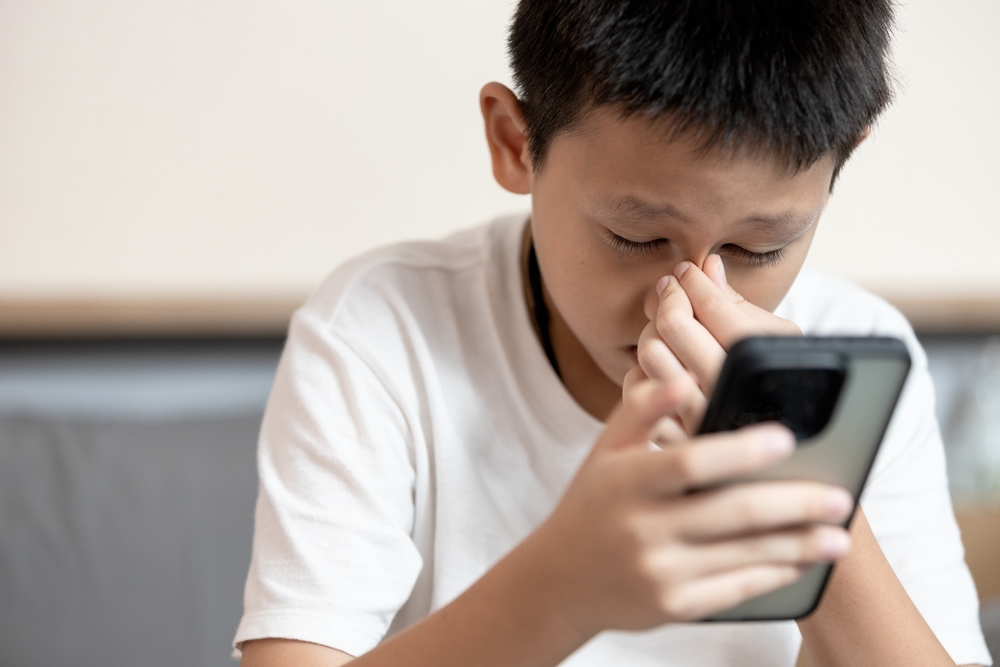
Many parents assume that if their child isn’t complaining about blurry vision, headaches, or eye discomfort, their eyes must be healthy. However, vision problems in children often develop quietly, without obvious warning signs. Regular eye exams play a critical role in protecting a child’s visual development, academic success, and overall well-being - even when everything seems normal.
Children Don’t Always Know Something Is Wrong
Unlike adults, children often don’t realize their vision isn’t clear. They may assume that what they see is how everyone sees the world. Because children’s brains adapt quickly, vision problems can go unnoticed for long periods of time.
A child may still pass basic vision screenings at school or during pediatric checkups while having underlying issues such as focusing difficulties, eye teaming problems, or early refractive errors. Comprehensive eye exams go beyond simple vision tests and can detect problems that screenings may miss.
Vision Is Essential for Learning and Development
Up to 80 percent of learning in early childhood is visual. Clear, comfortable vision is essential for reading, writing, using digital devices, and participating in classroom activities. Undiagnosed vision problems can lead to:
• Difficulty concentrating or staying engaged in school
• Struggles with reading or comprehension
• Avoidance of close-up tasks
• Behavioral issues that may be mistaken for attention or learning disorders
Regular eye exams help ensure that a child’s visual system is developing properly and supporting their academic progress.
Early Detection Leads to Better Outcomes
Children’s eyes and visual systems are still developing, which makes early detection especially important. Conditions such as amblyopia (lazy eye), strabismus (eye misalignment), and refractive errors are far more treatable when caught early.
If these conditions go undetected, they can result in permanent vision problems that persist into adulthood. Routine eye exams allow eye doctors to identify and address concerns before they interfere with long-term vision health.
Digital Eye Strain Is Increasing in Children
With increased screen use for school, entertainment, and communication, children are spending more time focusing on digital devices than ever before. This can contribute to eye strain, dry eyes, headaches, and focusing fatigue - even in children with otherwise healthy vision.
Routine eye exams allow your eye doctor to assess how screen time is affecting your child’s eyes and provide guidance on healthy visual habits, screen breaks, and corrective options if needed.
When Should Children Have Their Eyes Checked?
Most eye care professionals recommend:
• An eye exam in early childhood
• Another exam before starting school
• Annual exams thereafter
Even if a child has no symptoms, these visits are essential for ensuring healthy visual development.
Schedule Your Child’s Eye Exam Today
Regular eye exams are a proactive step in protecting your child’s vision, learning ability, and overall development.. By scheduling routine eye exams, parents can help ensure their child has the visual tools they need to thrive at every stage of life.
Contact Kapperman McGarvey Eye Group to schedule your child’s eye exam and ensure their vision is on track. Visit our office in Chattanooga, Tennessee or call (423) 892-2020 to book an appointment today.


Keep
In Touch


Contact Info
Phone:
(423) 892-2020
(423) 892-2020
Fax: (423) 855-0329
Hours of Operation
- Monday 7:30am - 5:30pm
- Tuesday 7:30am - 5:30pm
- Wednesday 7:30am - 5:30pm
- Thursday 9:00am - 5:30pm
- Friday 7:30am - 5:30pm
- Saturday Closed
- Sunday Closed
© 2026 Kapperman McGarvey Eye Group. All rights Reserved. Accessibility Statement - Privacy Policy - Sitemap
Powered by:
